
Highlight
Visit multiple alpine lakes in one itinerary
High meadows and dramatic Kashmiri ridgelines
Camps beside Vishansar, Krishansar & Gangabal
Kashmir Great Lakes Trek
Alpine lakes of Sonamarg
One of India’s most scenic alpine treks — a chain of high-altitude lakes between Sonamarg and Naranag.
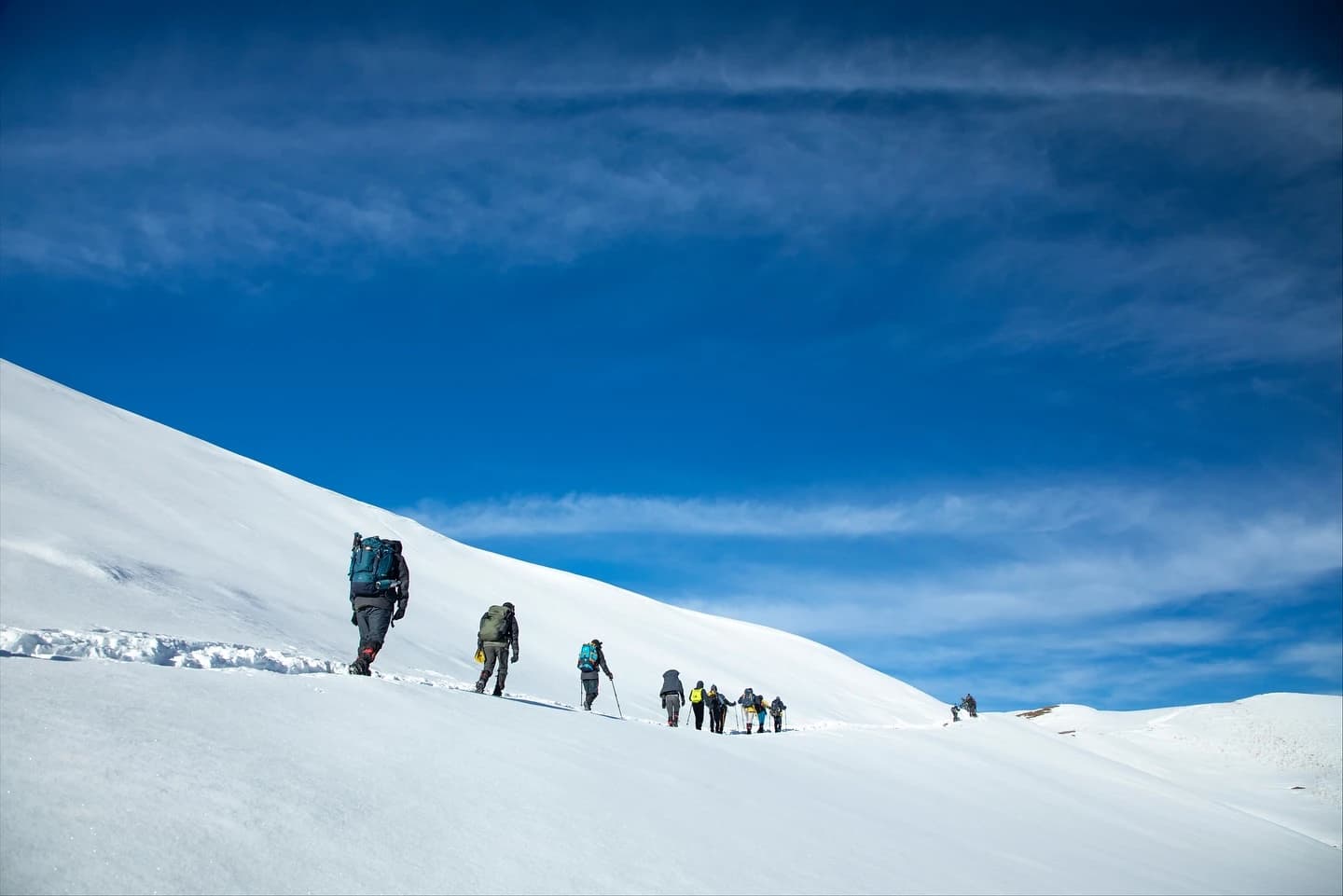
The Kashmir Great Lakes trek links emerald alpine lakes across high meadows and mountain passes above Sonamarg.
Expect long walking days, dramatic ridgelines, and camps beside Vishansar, Krishansar, Gadsar, Satsar and Gangabal.
The route runs Srinagar to Srinagar, covering 72 km across 8 days with a highest point of 13,750 ft. It is graded moderate-difficult, which makes it a strong fit for travellers who are comfortable walking a full day but do not need prior technical experience.
Departures run in fixed monthly batches of 8-16 persons, led by certified trip captains carrying a first-aid kit and oxygen on the high sections. The best window is July - September.
Why travellers love it
Day wise plan
A complete day-wise plan for Kashmir Great Lakes Trek covering drives, trail sections, altitude gain, meals, and overnight stays from start to finish.
Drive to Sonamarg and overnight stay.
Begin trek into the meadows toward Nichnai camp.
Cross Nichnai Pass and camp near Vishansar Lake.
Traverse Krishansar and Gadsar Pass to Gadsar Lake.
Walk through meadows to the Satsar lakes cluster.
Cross the final pass into Gangabal and Nundkol lakes.
Long descent to Naranag and drive to Srinagar.
Breakfast and onward journey from Srinagar.
Itinerary route map
Day-by-day route map for Kashmir Great Lakes Trek. Select a day to view trail allocation, altitude, and distance.
Verified coordinates for this international trek are not yet mapped.
Itinerary and altitude chart remain available below.
Text route list (accessible alternative to the map)
Elevation profile
Distance-based altitude chart for Kashmir Great Lakes Trek using verified trek segment distances. Hover or drag across the profile to explore each stage.
| Day | Location | Altitude | Distance | Duration | Δ from prev. |
|---|---|---|---|---|---|
| Day 1 | Arrive Srinagar → Sonamarg | 9,000 ft | — | 3 hrs drive | — |
| Day 2 | Nichnai | 11,500 ft | 9 km | 6 hrs | +2,500 ft |
| Day 3 | Vishansar | 12,000 ft | 12 km | 7 hrs | +500 ft |
| Day 4 | Gadsar | 13,750 ft | 12 km | 8 hrs | +1,750 ft |
| Day 5 | Satsar | 12,000 ft | 10 km | 6 hrs | -1,750 ft |
| Day 6 | Gangabal | 12,500 ft | 11 km | 7 hrs | +500 ft |
| Day 7 | Naranag → Srinagar | — | 13 km + drive | 7 hrs trek | — |
| Day 8 | Departure | — | — | — | — |


Inclusion & exclusion
A detailed overview of everything included in your Kashmir Great Lakes Trek package — stays, meals, permits, transport, and trek support — along with the costs you should plan for separately.
Inclusions
Exclusions
- Bag offloading is charged at ₹1,600 per bag.
- Maximum weight per offloaded bag should not exceed 10 kg.
- All package prices are quoted before 5% GST.
Safety Precautions and Protocols
Essential safety measures for Kashmir Great Lakes Trek — from acclimatization to weather awareness and emergency protocols.
Acclimatization
- Spend time at the base camp or starting point before ascending
- Follow “climb high, sleep low” with short acclimatization hikes
- Walk slowly; report headache, nausea, or dizziness to your trek leader immediately
Weather preparedness
- Check the forecast; delay if heavy rain, snowfall, or storms are predicted
- Carry waterproof jacket, poncho, and rain cover for your pack
- Start early; reach camp before afternoon weather shifts
Hydration and nutrition
- Drink regularly even when you do not feel thirsty
- Eat balanced meals; carry energy snacks for long trail days
- Avoid alcohol at altitude — it worsens dehydration and acclimatization
Emergency protocols
- Stay with your group and follow trek leader instructions at all times
- Carry personal medications and share medical history with your leader
- Indian Treks carries a first-aid kit; serious cases are evacuated per itinerary plan
Delicious & Nutritious Food During Trek
Fresh, high-altitude meals designed for energy and warmth on Kashmir Great Lakes Trek — breakfast, lunch, evening snacks, and dinner prepared by experienced cooks.
Breakfast
- Beverages: ginger/masala tea, coffee, juice
- Indian: paratha, poha, porridge, omelettes, upma
- Light options: sandwiches, jam and butter
Lunch & dinner
- Fresh roti, seasonal vegetable sabzi, dal, rice, and paneer dishes
- Hot soup and snacks on arrival at camp
- Vegetarian meals standard; inform us of dietary restrictions at booking
Trail snacks
- Energy bars, dry fruits, and packed lunch on long walking days
- Electrolyte sachets recommended — carry your preferred brand
- Plenty of safe drinking water at camps; refill bottles each morning
Best Time to Visit Kashmir Great Lakes Trek
Kashmir Great Lakes Trek runs best during July - September. Timing changes the trail conditions, the views, and how busy the route feels, so here is what to expect across the year.
July - September: Peak Season
This is the window Kashmir Great Lakes Trek is built around. Trails are at their best, campsites are fully operational, and departures run every month with the largest choice of dates.
- Daytime temperature: 10°C – 15°C
- Night temperature: 4°C – 10°C
- Rainfall: frequent — expect rain most days and slippery trails
- Crowds: high on weekends, quieter on weekday batches
Shoulder Season: Fewer Crowds
Just before and after the July - September window the route stays open but the groups are smaller. Conditions are slightly less predictable, and the reward is a much quieter trail.
- Daytime temperature: 10°C – 18°C
- Night temperature: 2°C – 8°C
- Rainfall: light and infrequent
- Crowds: low to moderate
Off Season: Limited Access
Outside the main window the higher sections can be blocked by snow, monsoon damage, or forest department closures. Departures are paused and we recommend planning inside the July - September window instead.
- Trail access: partial or closed on the upper route
- Views: can be excellent on clear days
- Support: limited stays and transport near the base
- Crowds: very low
Things to Carry
Pack for two realities — warm sunshine at the base and cold nights at 13,750 ft. Keep your pack under 10 kg; anything heavier compounds fatigue on long trail days.
Clothing
- Base layer: 2 sets moisture-wicking thermals (top and bottom)
- Mid layer: Fleece jacket + down insulated jacket (600-fill or higher)
- Outer shell: Windproof, waterproof rain jacket with hood
- Trekking trousers: 2 pairs, quick-dry (never jeans)
- Rain pants or poncho for wet conditions
- Warm hat/beanie + cap with brim (sun protection)
- Gloves: waterproof outer gloves
- Neck gaiter / buff
- Trekking socks: 4-5 pairs (merino wool preferred)
- Camp footwear: light sandals or Crocs for evenings
Footwear
- Trekking boots: mid-to-high ankle, waterproof, broken in before the trek
- Gaiters to keep boots dry on snow and wet trails
- Extra pair of insoles in case your boots get wet inside
Equipment


How to Reach Kashmir Great Lakes Trek Base Camp
Kashmir Great Lakes Trek starts from Srinagar, reached through a multi-stage journey. Plan to arrive a night before your batch reporting time.
Reach Srinagar
Nearest airport is Jolly Grant, Dehradun for Uttarakhand routes and Bhuntar, Kullu for Himachal routes. Taxis are available at both.
Haridwar, Dehradun, and Chandigarh are the closest well-connected railheads, each with onward buses and taxis.
Overnight buses and private cabs connect Delhi and nearby cities to Srinagar. Book the earliest arrival so you reach before the reporting time.
Srinagar to Srinagar
Srinagar to Srinagar through the main highway and hill roads.
Typically 7–11 hours depending on traffic, weather, and road conditions.
Shared taxi, private cab, or the operator-arranged Tempo Traveller included in your package.
Withdraw cash and download offline maps at the last major town — connectivity beyond the base is unreliable.
Srinagar to the trailhead
A short local transfer brings you from Srinagar to the official starting point.
Reach the base a night before departure so the team can complete document checks and a fitness briefing.
From here you cover 72 km over 8 days, topping out at 13,750 ft.
Policy
Booking, cancellation, refund, and participation terms so you know exactly where you stand before joining Kashmir Great Lakes Trek.
| Policy Point | Details |
|---|---|
| Booking Confirmation | Your seat is considered confirmed only after the required advance payment is received. |
| Balance Payment | The remaining amount must be cleared before departure or as per the reporting instructions shared by the team. |
| Transport Selection | Pickup from the base city is applicable only if that option is selected at the time of booking. |
| ID Requirement | Every participant should carry a valid government photo ID for verification and trek administration. |
| Operational Changes | In case of weather, road, or safety concerns, the itinerary may be adjusted for the well-being of the group. |
Departures and route decisions remain subject to weather, road access, local administration, and safety conditions. Final operational calls are always taken in the interest of the group.
FAQ's
Common questions about Kashmir Great Lakes Trek — difficulty, altitude, fitness, permits, stays, and what to expect on the trail.
Moderate to Difficult due to long days and high passes — good fitness required.
July to mid-September when meadows are green and lakes are accessible.
Why Kashmir Great Lakes Trek with Indian Treks
Trusted Himalayan operator for treks across Uttarakhand, Himachal, Nepal, and Kashmir — safety-first teams, transparent pricing, and trekkers who return season after season.
Visit multiple alpine lakes in one itinerary
High meadows and dramatic Kashmiri ridgelines
Camps beside Vishansar, Krishansar & Gangabal
One of India’s most photogenic summer treks
What you can expect
Rental gear for this international trek


Rentals are collected at the base camp and returned at the end of the trek. Pick a size to reserve kit for this departure.