Highlight
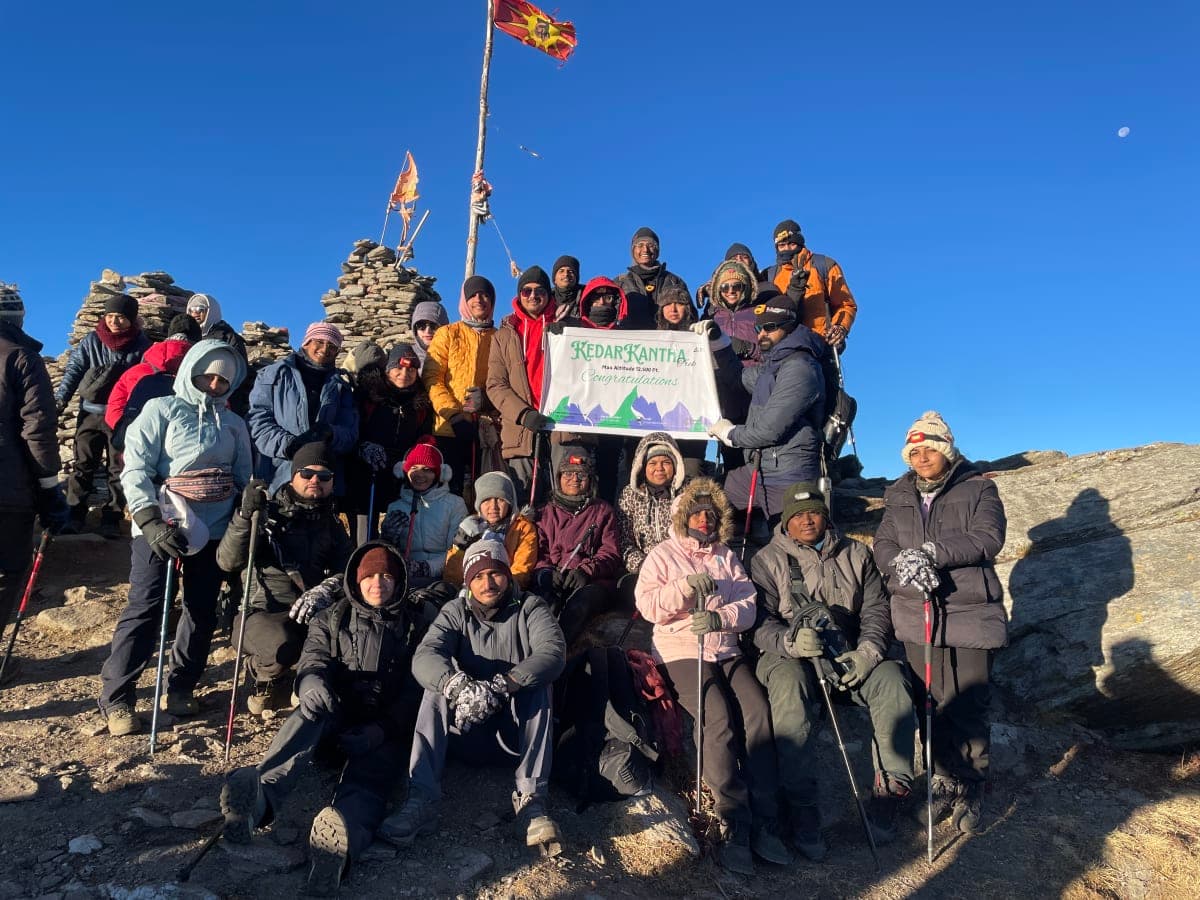
Summit the highest peak of the Nag Tibba range
360-degree panorama of Garhwal and Shivalik ranges
Trek through dense oak, pine, and rhododendron forests
Nag Tibba Trek
The Weekend Trekkers' Paradise
The perfect weekend escape - a short, easy trek to the highest peak in the Nag Tibba range with sweeping views of the Garhwal Himalaya.
Nag Tibba, meaning 'Serpent's Peak,' is the highest peak in the lesser Himalayan Nag Tibba range at 9,915 ft.
This ideal introductory trek winds through dense oak, pine, and rhododendron forests with stunning views of snow-capped Bandarpoonch, Swargarohini, and Gangotri peaks from the summit.
Nag Tibba Trek: A Perfect Weekend Escape into the Himalayas
- Altitude: 9,900 ft
- Duration: 2 Days
- Trek Length: Approx. 15 km
- Base Camp: Pantwari
- Trek Difficulty: Easy to Moderate
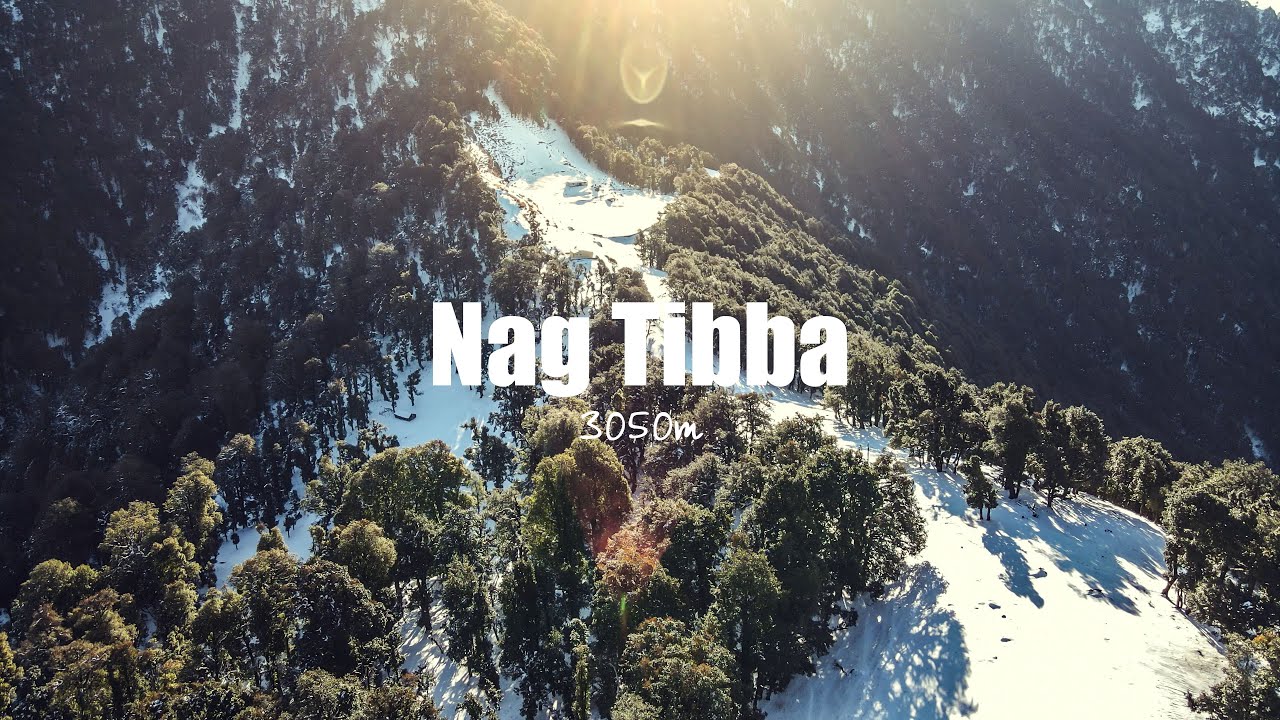
Forest trails from Pantwari to the Nag Tibba summit ridge — with Indian Treks.
The Nag Tibba Trek is one of the most accessible weekend Himalayan treks in Uttarakhand, offering the experience of a mountain summit without requiring a long trekking expedition. Rising to approximately 9,900 ft, Nag Tibba is the highest peak of the Nag Tibba Range and provides an excellent introduction to Himalayan trekking for beginners, families, weekend travellers and anyone looking for a quick escape into the mountains.
The trek begins from Pantwari, a mountain village in the Tehri Garhwal region. From here, the trail gradually climbs through forests and open mountain clearings before reaching the higher ridge and summit area. The relatively short duration makes Nag Tibba particularly appealing to people who have limited time but still want to experience forest trails, camping, mountain landscapes and panoramic Himalayan views.
The Legend of Nag Devta
Nag Tibba is closely associated with local traditions surrounding Nag Devta, the serpent deity worshipped in the Himalayan region. According to local belief, Nag Devta is regarded as the protector of the surrounding area, and the mountain derives its name from this association.
The mythology adds a cultural dimension to the trek, while the peaceful mountain environment makes the journey feel far removed from the busy cities below.
A Trek Through Deodar and Oak Forests
Why travellers love it
Day wise plan
A complete day-wise plan for Nag Tibba Trek covering drives, trail sections, altitude gain, meals, and overnight stays from start to finish.
Distance: 3 km trek · Time: ~4 hrs · Pickup: Dehradun Railway Station · Overnight: Nag Tibba base camp.
In the morning, we pick you up from Dehradun Railway Station and begin the journey toward Pantwari village. En route you stop at Mussoorie — the Queen of Hills — and pass Kempty Falls before the road continues into the hills.
We turn onto the Nag Tibba road and typically arrive at Pantwari around midday. After lunch and a short break in the village, the trek begins.
The hike starts on a paved stretch, then the trail grows rougher as you gain height. You pass through a picturesque Goat Village — a well-known local tourism stop — before reaching the crest that links the Pantwari side of the hills with the Nag Tibba ridge.
Along the way you walk through oak and rhododendron woodland. Overnight is at base camp, with open views of the surrounding mountain landscape.
Distance: 13 km trek · Time: ~12 hrs · Altitude: base camp → ~9,915 ft (summit) → Pantwari → Dehradun.
Because it will be a long day, the walk begins early in the morning. After breakfast by about 5:00 a.m., the group sets out toward the peak.
You pass through dense woodland — the same trail can be covered with snow in winter, which makes the walk a little more challenging. After 20 to 30 minutes you reach two open clearings.
From there the route continues to Nag Tibba Temple (Nag Mandir), at the base of Nag Tibba hill, with spectacular views of the Himalayan peaks when the weather is clear.
Beyond the temple the trail re-enters the forest on a steeper climb. This stretch is tougher, but it is also one of the most memorable parts of the trek. Finally you reach the flag that marks the summit of Nag Tibba.
From the top you are treated to breathtaking views of snow-capped mountains such as Kala Nag, Bandarpoonch, Gangotri and Kedarnath — subject to weather and visibility.
After descending to camp for lunch, continue back to Pantwari. From Pantwari the vehicle returns to Dehradun, bringing the Nag Tibba hiking excursion to a close.
Itinerary route map
Day 1 Dehradun → Pantwari (via Mussoorie & Kempty) then trek via Goat Village to base camp; Day 2 base → Nag Mandir → summit → Pantwari → Dehradun.
Text route list (accessible alternative to the map)
Elevation profile
Distance-based altitude chart for Nag Tibba Trek using verified trek segment distances. Hover or drag across the profile to explore each stage.
| Day | Location | Altitude | Distance | Duration | Δ from prev. |
|---|---|---|---|---|---|
| Day 1 | Nag Tibba Base Camp | 8,200 ft (base camp) | ~90 km drive + 3 km trek | 4–5 hrs drive + ~4 hrs trek | — |
| Day 2 | Summit → Pantwari → Dehradun | 9,915 ft (summit) | 13 km trek + drive | ~12 hrs | +1,715 ft |



Inclusion & exclusion
A detailed overview of everything included in your Nag Tibba Trek package — stays, meals, permits, transport, and trek support — along with the costs you should plan for separately.
Inclusions
Exclusions
- Bag offloading is charged at ₹1,600 per bag.
- Maximum weight per offloaded bag should not exceed 10 kg.
- All package prices are quoted before 5% GST.
Safety Precautions for the Nag Tibba Trek
Points to remember for safety in the trek:
- It is essential that you arrive at the starting point of any hike or excursion in the best possible physical condition and readiness.
- The hike is not tough; in fact, if you can keep both your feet and your mind calm and strong during the journey, you will discover that the hike is rather simple.
- When you are out on a hike, bear in mind that you may not always be with your guide and that you may not always be on the correct trail.
- The majority of individuals glance both where they are going and where they have been while they are walking; this might produce twitching in your legs, which can make the whole journey difficult.
- It is imperative that you see your physician if you are experiencing any kind of health issue.
- It is imperative that you have your medical equipment with you at all times; it is of the utmost significance.
How Indian Treks supports you on the trail
- Indian Treks will ensure that you have a fully stocked first aid kit at all times, including oxygen cylinders and other medications that may be required throughout the trek.
- In the event that any of the trekkers have any more difficulties, the stretcher is used to transport them back to the base camp.
- During the Nag Tibba Trek walk, our camp is situated close to the tree line, so you won’t have any trouble getting enough oxygen there.
- In the event of a medical emergency, you should seek the assistance of your guide or another trekker who is knowledgeable in the area.
Delicious & Nutritious Food During Trek
Fresh, high-altitude meals designed for energy and warmth on Nag Tibba Trek — breakfast, lunch, evening snacks, and dinner prepared by experienced cooks.
Breakfast
- Beverages: ginger/masala tea, coffee, juice
- Indian: paratha, poha, porridge, omelettes, upma
- Light options: sandwiches, jam and butter
Lunch & dinner
- Fresh roti, seasonal vegetable sabzi, dal, rice, and paneer dishes
- Hot soup and snacks on arrival at camp
- Vegetarian meals standard; inform us of dietary restrictions at booking
Trail snacks
- Energy bars, dry fruits, and packed lunch on long walking days
- Electrolyte sachets recommended — carry your preferred brand
- Plenty of safe drinking water at camps; refill bottles each morning
Best Time to Visit Nag Tibba Trek
Nag Tibba Trek runs best during March - June, September - December. Timing changes the trail conditions, the views, and how busy the route feels, so here is what to expect across the year.
March - June, September - December: Peak Season
This is the window Nag Tibba Trek is built around. Trails are at their best, campsites are fully operational, and departures run every month with the largest choice of dates.
- Daytime temperature: 6°C – 12°C
- Night temperature: -5°C – 4°C
- Rainfall: frequent — expect rain most days and slippery trails
- Crowds: high on weekends, quieter on weekday batches
Shoulder Season: Fewer Crowds
Just before and after the March - June, September - December window the route stays open but the groups are smaller. Conditions are slightly less predictable, and the reward is a much quieter trail.
- Daytime temperature: 10°C – 18°C
- Night temperature: 2°C – 8°C
- Rainfall: light and infrequent
- Crowds: low to moderate
Off Season: Limited Access
Outside the main window the higher sections can be blocked by snow, monsoon damage, or forest department closures. Departures are paused and we recommend planning inside the March - June, September - December window instead.
- Trail access: partial or closed on the upper route
- Views: can be excellent on clear days
- Support: limited stays and transport near the base
- Crowds: very low
Things to Carry
Participants must bring the following for the Nag Tibba Trek. Pack light but complete — aim for a well-fitted 50–60 L backpack and break in your boots before departure.
Participants must bring for Nag Tibba Trek
- 50–60 L backpack
- Strong hiking boots — a leather upper is best because it gives your ankles more support. If you don’t have a pair yet, get one as soon as possible and wear it a lot so it breaks in well. This helps keep blisters from forming.
- Tennis shoes or sandals that are light enough to wear in camp
- Two pairs of thick wool socks, if possible
- Two pairs of everyday nylon socks to wear underneath the wool socks to prevent blisters
- One shirt for hiking, preferably with long sleeves
- Long John top (thermal underwear) — wool preferred for the first layer
- Two each of warm shirts and pants for camp
- 1 rain coat / poncho
- Warm jacket — 1
- One pair of thick wool gloves
- Long Johns — first layer should be wool if possible
- Underwear — 2–3 changes
- Shorts or pants for hiking — 1
- Sunscreen lotion (optional). Chapstick or lip balm (optional)
- Water bottles — two 1-litre bottles (leak-proof; Pepsi bottles work well)
- Headlamp or flashlight — a headlamp is best because it frees your hands; bring extra batteries if using a flashlight
- Bathroom items (toothbrush, toothpaste, etc.) and a small personal medical kit
- Sun hat (cotton or nylon)
- Sunglasses — styles with an anchor / retainer are best


How to Reach Nag Tibba Trek Base Camp
Nag Tibba Trek starts from Dehradun, reached through a multi-stage journey. Plan to arrive a night before your batch reporting time.
Directions to go to Dehradun
Jolly Grant Airport is the domestic airport that serves Dehradun, and it receives frequent flights from the main metropolises located across India.
The Dehradun Junction is the closest railway station, and it has excellent connections to major cities located around India.
The road network in and around Dehradun is extensive and convenient. To get to Dehradun from Delhi or any of the other surrounding cities, you have the option of either driving there yourself or hiring a cab or taxi. In addition, there is a consistent bus service between Dehradun and the surrounding areas thanks to the extensive road network.
Policy
Booking, cancellation, refund, and participation terms so you know exactly where you stand before joining Nag Tibba Trek.
| Policy Point | Details |
|---|---|
| Booking Confirmation | Your seat is considered confirmed only after the required advance payment is received. |
| Balance Payment | The remaining amount must be cleared before departure or as per the reporting instructions shared by the team. |
| Transport Selection | Pickup from the base city is applicable only if that option is selected at the time of booking. |
| ID Requirement | Every participant should carry a valid government photo ID for verification and trek administration. |
| Operational Changes | In case of weather, road, or safety concerns, the itinerary may be adjusted for the well-being of the group. |
Departures and route decisions remain subject to weather, road access, local administration, and safety conditions. Final operational calls are always taken in the interest of the group.
FAQ's
Common questions about Nag Tibba Trek — difficulty, altitude, fitness, permits, stays, and what to expect on the trail.
The months of February through the middle of June and the months of mid-September through the end of November are ideal for a journey up Nag Tibba. This is a simple hike that will provide you with the most restorative experience throughout the course of the weekend.
Hiking and camping are going to be the two distinct activities that are going to be offered as part of the Nag Tibba Trek programme. This is something that the name of the programme already hints at. If you take part in this exciting journey, you will have the opportunity to experience walking through the breathtaking natural scenery that surrounds the Nag Tibba top. In addition to this, you will have the opportunity to enjoy the genuine outdoors by pitching a tent and tending to a campfire in the evenings. If you are travelling with friends or family members, the whole trip will be much more exciting and delightful for you because of the added company.
The hiking season typically begins in March, and at the beginning of the month there will be snow in the area. However, by the end of the month the snow will have melted, and the weather will be warm and bright. In addition, daytime highs will be in the 20 to 25 degree Celsius range, making for comfortable temperatures. Nonetheless, the temperature throughout the night will range between 8 and 13 degrees Celsius. During the monsoon season, the majority of days will be wet, although the amount of precipitation that falls at higher elevations will be much less. Following the monsoon, between September and December, the days will be bright, but the temperature will hover between 14 and 18 degrees Celsius; in the nights, it will dip down to approximately 10 degrees.
The Nag Tibba walk is often regarded as one of the easiest routes in the Himalayas and is widely regarded as one of the greatest treks in the Himalayas for those who are just starting out. It is a short weekend hike (about 15 km across the Indian Treks package), and one need not even give it a second thought before deciding to go on it. This is the greatest option for you if you are just starting out since from here you can take in the majesty of the Himalayas and experience a moment in your life that you will never forget thanks to the mesmerising exhibitions that nature puts on.
The mountain of Nag Tibba is subject to heavy snowfall from the months of November through March. This location always maintains a temperature that ranges from −2 to 5 degrees Celsius.
You will be led by a trek leader that is both experienced and certified, so you do not need to worry about your safety throughout the Nag Tibba hike in any manner.
We strongly suggest that you invest in high-ankle waterproof shoes that have a solid gripping capacity.
The months of November through March are ideal for the Nag Tibba Trek since you may experience light to moderate snowfall during that period. Nevertheless, the journey is available all year round with the exception of the months of June through September.
Throughout the Nag Tibba journey, all cell networks should be operational; however, if you want to walk to the peak point, you may have some network difficulties.
The Nag Tibba Trek is considered a simple journey; hence, you won't need to put in a lot of effort to complete it.
The Nag Tibba Trek is a full-immersion adventure with amazing vistas. In addition to the activities that are included, you will also have the opportunity to participate in stargazing and other group activities that will be proposed by the trip leader.
The pay for an experienced and trained guide is included as part of the Nag Tibba Trek, which means that your question has been answered.
The Nag Tibba Trek does, in fact, need forest access permissions; however, our ground crew will take care of securing these permits for you.
To get to Pantwari from Dehradun, you may either take a shared taxi, a bus, or you can drive down to Pantwari in your own car.
You are able to complete the Nag Tibba journey on your own, that is correct. Send us a query via the contact page of the website if you have any questions about the batch dates.
While the walk to Nag Tibba is very short, our advice is that you should not bring more than 6–7 kg of gear with you.
Why Nag Tibba Trek with Indian Treks
Trusted Himalayan operator for treks across Uttarakhand, Himachal, Nepal, and Kashmir — safety-first teams, transparent pricing, and trekkers who return season after season.
Summit the highest peak of the Nag Tibba range
360-degree panorama of Garhwal and Shivalik ranges
Trek through dense oak, pine, and rhododendron forests
Perfect weekend getaway - just 2 days from Dehradun
What you can expect


Rental gear for this trek


Rentals are collected at the base camp and returned at the end of the trek. Pick a size to reserve kit for this departure.